ADC Programs
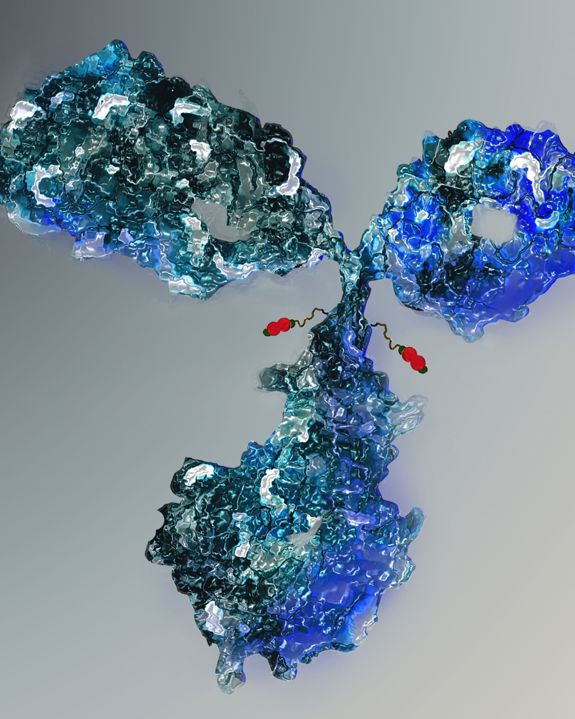
With two in-clinic programs which clinically validate our fundamental approach, and a preclinically validated new payload class, Iksuda is at the forefront of ADC design. We are advancing a pipeline of novel, differentiated ADCs for hard-to-treat cancers
We are focused on providing more effective treatments for patients who have few options, and our pipeline targets tumors including lung cancer, (NSCLC & SCLC), GI tumors such as colorectal and stomach cancers, esophageal/ GEJ and H&N tumors, triple-negative breast, multiple myeloma and gynaecological cancers.
Our first wave ADC programs target antigens with proven premise in ADC formats and include novel DNA damaging payloads with tumor-activating pro-drug mechanisms.
Our next-wave ADCs incorporate ProAlk – Iksuda’s new payload class - and are directed towards known and novel targets.
ADC Sequencing will be a major development challenge in the near future, and differentiation from tubulin and topoisomerase I inhibitors will become imperative. ProAlk ADCs will play an important role in the cancer treatment paradigm.
ADC Programs
IKS03
CD19-directed ADC in Phase 1 clinical trials for B-cell cancers.
IKS03 has been designed to deliver high anti-cancer activity with good patient tolerability. The ADC benefits from tumor-selective activation and release of ultra-potent PBD payloads and preclinical studies have demonstrated class leading TI.
Best in class CD19-directed ADC for B cell cancers
The worldwide incidence of B-cell cancers is growing, especially in the older population.
There is high unmet need for patients with Diffuse Large B-cell Lymphoma (DLBCL), Mantle Cell Lymphoma and adult Acute Lymphoblastic Leukemia. DLBCL is a fast-growing lymphoma and is the most common type of non-Hodgkin lymphoma (NHL).
In the developed world, 5yr survival rates for B-cell NHL are around 70% and have increased over the last 25yrs, but almost 2 in 5 patients with diffuse cases (Stage IV and representing >1/3 of all newly diagnosed cases), die within 5yrs.
Despite active research and a strong pipeline, there are few effective therapeutic options for relapsed & refractory DLBCL, and those that are available are associated with poor toxicity profiles. CAR T-cell therapy is reserved for the fittest patients due to its highly intensive nature, and many patients do not tolerate it. 3rd line options are poorly tolerated and, often, patients are better advised to enter a clincial trial.
This form of lymphoma occurs predominantly in older people, (median age of diagnosis around 65ys) where approximately half of lymphoma patients cannot be cured, and even those who are cured must endure significant toxic chemotherapy effects. With increasing age, ALL patients have low clinical remission rates, high early mortality, high relapse rates and poor survival. Mantle Cell Lymphoma has no cure.
There is high demand for new, more effective and better tolerated options for relapsing & refractory patients. Better tolerated drugs are particularly relevant – most patients cannot tolerate intense, multi-drug chemotherapy or CAR-T.
CD19 is recognized as a relevant target for therapeutic development and the CD19-directed ADC Zynlonta was granted an accelerated approval for 3rd line use in patients with relapsed or refractory B-cell cancers based on a 48% response rate.
However, in the confirmatory trial LOTIS-5, Zynlonta + Rituxan did no drive better overall survival over the standard regimen, and the drug was associated with SAEs in 49% of patients, with TEAE-related deaths observed in >13% of patients.
Previously, the Phase 2 LOTIS-2 trial, where Zynlonta + rituximab was assessed in unfit or frail patients with previously untreated DLBCL, was terminated after the FDA placed a partial clinical hold on the trial. Several patients reported respiratory adverse events and seven patients died from extreme respiratory events. Needless to say, Zynlonta is reserved for late-stage use.
Alternative CD19-directed therapies with raised TI over Zynlonta represent a positive step in the treatment of this disease.
Recognising the value of targeting CD19 for B-cell cancers, Iksuda is developing an ADC with raised TI over Zynlonta, where lower doses drive more potent anti-cancer efficacy without being compromised by a low toxicity threshold. This is achieved through our use of tumor-selective release and activation of payload.
IKS014
HER2-directed ADC in clinical trials for HER2+ cancers.
IKS014 has been designed as a HER2-directed ADC with raised TI over in-clinic and on-market comparators, based on tumor-selective activation and release of the auristatin payload MMAF. This design should make it suitable for patients with HER2+ solid cancers who have previously been treated with Kadcyla and/ or Enhertu.
In Phase 1 clinical trials (as FS-1502 in China where it is developed through FOSUN) in heavily pre-treated patients with advanced HER2+ breast cancer, its use is associated with an ORR equivalent to Enhertu (DESTINY-Breast01) and a favorable tolerability profile, with notable absences of pulmonary toxicities, reduced neutropenia and thrombocytopenia and, unlike other MMAF-containing ADCs, limited dose-limiting ocular toxicities.
In Phase 2 studies, FS-1502 was associated with impressive, class leading efficacy in patients with gastric and GEJ cancers at the same doses as used in breast cancer and other tumors.
IKS014 is in the final stages of Phase 1 dose escalation in sites in Australia, with dose expansion planned for the second half of 2025 in sites in the US, Singapore and Australia.
FS-1502 is in a Phase 3 trial for first line use in patients with advanced breast cancer, where it is being directly compared with Kadcyla. Patient recruitment is complete in this trial and a BLA is planned for later this year.
HER2-directed ADC for HER2+ breast, lung, gastric & esophageal cancers
Amplification or overexpression of HER2 occurs in approximately 15% of all breast cancers & 10–30% of gastric/gastroesophageal and lung cancers and serves as a prognostic and predictive biomarker. HER2 overexpression also occurs in other forms of cancers including those of the stomach, ovary, uterine serous endometrial carcinoma, colon, bladder, uterine, cervix, head and neck, and oesophagus.
The introduction of Enhertu represents a major advance in the treatment of recurring, advanced and metastatic HER2-positive breast cancer but its toxicity profile is a cause for concern. Treatment-associated respiratory disorders (Interstitial Lung Disease/ pneumonitis) and blood & lymphatic disorders (neutropenia & anemia) are well-known and have resulted in patient deaths. Onset and grade of ILD/ pneumonitis is unpredictable and risk factors are not well understood.
The nausea, diarrhoea and severe fatigue associated with Enhertu represent major 'real world' issues according to physicians presenting at ASCO 2023. Around 2/3 of all patients treated with Enhertu experience nausea/ vomiting - a higher percentage seen with Kadcyla treatment.
There remains high need for additional HER2-directed therapies with more favorable toxicity profiles and, as Enhertu moves to earlier lines of treatment, more effective therapies are likely to replace Kadcyla after Enhertu therapy.
New HER2-directed therapies which match the efficacy of Enhertu but with more favorable toxicity profiles represent a step forward in the treatment of HER2+ cancers.
IKS014 has been designed to be a class-leading HER2-directed ADC for all HER2+ solid tumors, with raised TI over Enhertu and other in-clinic & on-market comparators.
Phase 1 data confirms a differentiated tolerability profile, including lower incidences of nausea, vomiting, diarrhoea and severe fatigue when compared with the DESTINY trials.

IKS04
Ultra-low DAR, CA242-directed ADC in preclinical development for GI tumors.
IKS04 is the only CA242 (CanAg)-directed ADC in development and has been designed to deliver high anti-cancer efficacy and manageable tolerability in some of the hardest to treat solid tumors.
IKS04 represents a new 'ultra-low DAR' ADC approach to overcome issues often seen with targeted drug delivery to solid tumors. Targeting an antigen with high tumor selectivity and high expression abundance, our approach drives effective tumor penetration and tumor-specific delivery of ultra-potent payloads, enabling a drug with increased efficacy and class-leading TI.
CA242-directed ADC for GI tumors
CanAg, a novel glycoform of MUC1, is a ‘tumor antigen’; an antigenic substance produced in tumor cells and that trigger an immune response in the host. The MUC1 protein serves a protective function by binding to pathogens and also functions in a cell signaling capacity. Overexpression, aberrant intracellular localization, and changes in glycosylation of this protein have been associated with carcinomas.
Since it is a tumor antigen, CanAg represents a favorable target for immune-oncology therapeutic approaches, and may be especially relevant to ADCs, combining the immunity-reversing mechanism of a CanAg antibody with potent cell-killing payloads.
Successful CanAg-targeted therapeutics should impact some of the most challenging tumors. CanAg has been clinically validated as a target in various solid tumors, but IKS04 is the only active program today.
CanAg is expressed in almost all pancreatic, biliary tract & colorectal cancers, 55% of gastric cancers, 45% of uterine (endometrial) cancers and 40% of NSCLC & bladder cancers.
Over 1/3 of patients who undergo surgery with curative intent develop a recurrence of pancreatic cancer, despite adjuvant chemotherapy.
Colorectal cancer ranks 3rd in terms of incidence of all cancers but 2nd in terms of mortality. Most patients present with advanced disease, with a 5yr survival rate of only 14%. 40% of patients recur within 2-3 years of treatment.
Approximately 50% of patients with bladder cancer develop recurrence after cystectomy.
Stomach cancer is the 5th most common cancer in the world. Unfortunately, due to the lack of effective screening, many patients are diagnosed with advanced (Stage 3 or Stage 4) disease. As a global average, 5yr survival for all stages of stomach cancer is around 20%, with only 30-40% surviving a year. For patients with Stage 2 disease the 5yr survival rate is around 30%, whilst this falls to 25% for Stage 3 and virtually zero for Stage 4.
Lung cancer has been the most common cancer in the world for several decades, accounting for 1 in 5 of all cancer deaths: worldwide, 3 people die from lung cancer every minute, more per year than breast, colorectal and prostate combined. Approximately 40% of lung cancer patients are diagnosed with metastatic disease where 5yr survival is <5%.
Since effective therapy options for GI tumors are suboptimal and limited, IKS04 has been designed to deliver ADC power with a clinically manageable TI. Iksuda has selected a target antigen with high tumor selectivity and high expression abundance. In the clinic, IKS04 will be co-administered with naked antibody in an ‘ultra-low DAR’ regimen to drive good tumor penetration and deliver an ultra-potent DNA cross-linker payload through tumor-selective activation & release.
IKS073
Class leading B7H3-directed ADC in preclinical development for cancers of the lung, esophagus, H&N and cervix.
IKS073 has been designed to widen the utility and improve performance over in-clinic and on-market comparator ADCs.
It benefits from tumor-selective activation and release of a novel payload and is in IND-enabling studies. In preclinical studies, it demonstrates a class-leading profile, with high anti-cancer activity in xenograft models and a substantially higher HNSTD in non-human primates than its competitors.
Best-in-class ADC for cancers of the lung, esophagus, H&N and cervix
B7H3 is an attractive target for the treatment of numerous solid tumors of high unmet need and poor prognosis. The target is frequently overexpressed in human malignancies including cancers of the lung, colon, stomach, bladder, esophagus, H&N, cervix and breast.
Elevated expression is consistently associated with lower DFS and poor OS in patients. Both common subtypes of NSCLC express high levels of B7H3. Lung adenocarcinomas are the most common type of lung cancer diagnosed in patients who have never smoked.
Lung cancer: Lung cancer has been the most common cancer in the world for several decades, accounting for 1 in 5 of all cancer deaths: worldwide, 3 people die from lung cancer every minute, more per year than breast, colorectal and prostate combined. NSCLC accounts for around 80% of lung cancer cases. IKS073 is relevant for over 70% of NSCLC patients, including those with lung adenocarcinomas. It is also relevant for around 2/3 of SCLC patients.
Head and Neck cancer: With over 1 million new cases each year, and around 60% of these being locally advanced or metastatic at presentation, H&N cancer is difficult to treat. Recurrence rates are as high as 90% in 2 years (HPV+-disease). IKS073 is potentially relevant for around 70% of H&N cancer patients.
GI tumors: IKS073 has relevance for around 70% of colorectal cancers and >50% of stomach cancers. These tumors are notoriously hard-to-treat with the majority of patients being in advanced disease on diagnosis and an associated high percentage of relapses.
Bladder cancer: Around 1/4 of bladder caner patients are locally advanced or metastatic at presentation, with 75% of these relapsing after treatment. IKS073 is relevant for around 60% of bladder cancers.
Cervical cancer: With more than 600,000 new cases each year and 25% of these being advanced at presentation - the majority relapsing after treatment - cervical cancer is associated with high unmet need, especially in Asian countries where prevalence is high.
Breast cancer: High tissue expression in 80% of TNBC patients and >70% of ER/PR-negative tumors, leading to poorer DFS. TNBC represents 10-20% of all breast carcinomas; it is an aggressive disease which accounts for a disproportionate number of metastatic cases and deaths.
Iksuda is developing a class leading ADC with higher anti-cancer efficacy in expressing tumors than in-clinic comparators and a differentiated safety profile delivered through the combination of tumor-selective activation and release of a novel payload MoA.
Pipeline prioritization strategy
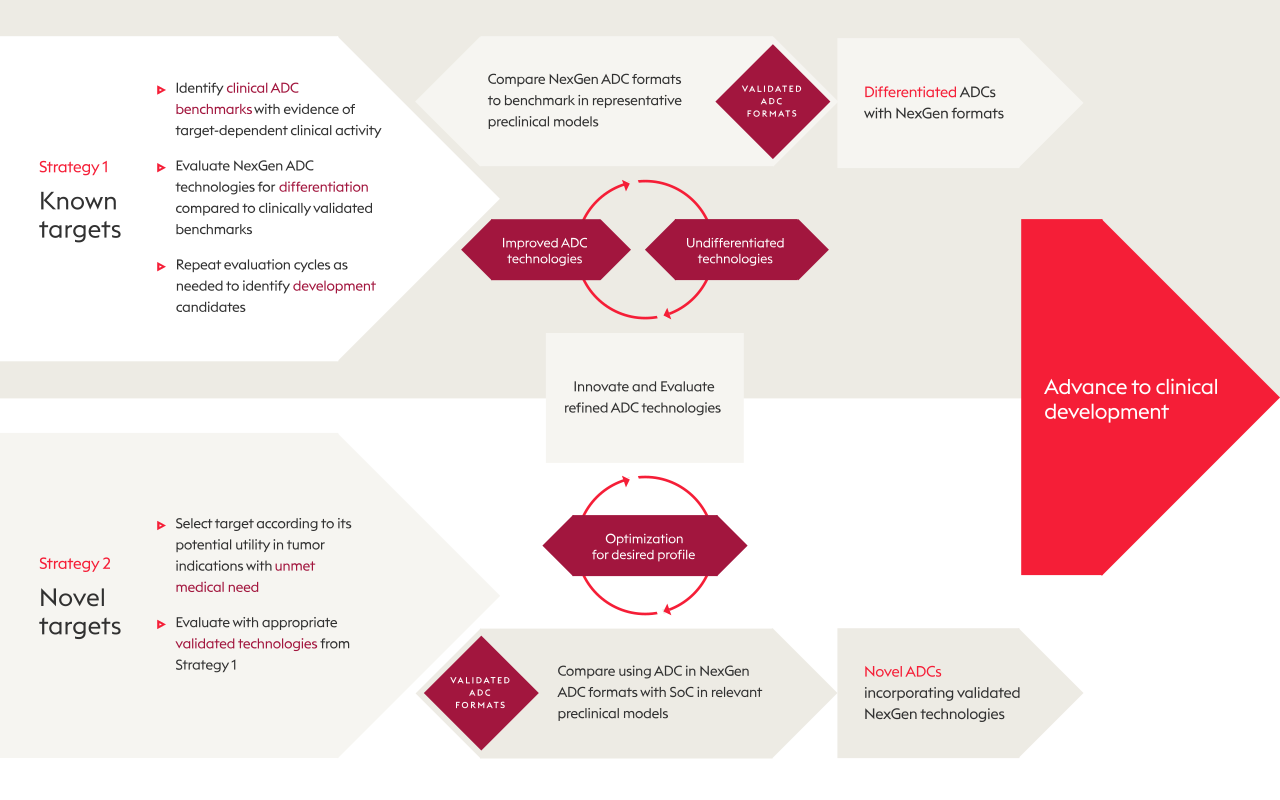
When designing its ADCs, Iksuda considers the competitive landscape and unmet need in cancers associated with the target antigen. With a benchmark profile established, we then assemble optimised components to achieve this profile, with payload mechanism matched to the target and tumor and delivered via glucuronide-driven pro-drug formats.
For the introduction of novel platforms and antigen targets, calibration is critical. Iksuda’s approach is to validate differentiation for ADCs against known targets before using these now-validated platforms in ADCs to novel targets. In addition, the clinical validation afforded by IKS014 reaffirms the benefit of a glucuronide-driven payload release mechanism and allows us to hone and tailor our linker formats for greater precision and performance.
Iksuda’s growing ProAlk ADC pipeline is based on ProAlk sensitivities to tumor sub-types and targets, with selected ADCs benefitting from tailored glucuronide linker formats and PermaLink bioconjugation for enhanced ADC stability and therapeutic activity.